Warehouse 9, North Yard, No. 78, Xiushui Street, Langfang, Hebei, China
The Importance of Crankshaft Balancing for Engine Efficiency
The Importance of Crankshaft Balancing for Engine Efficiency Table of Contents 1. Introduction to Crankshaft Balancing 2. What is Crankshaft Balancing? 3. How Crankshaft Balancing Works 4. The Significance of Crankshaft Balancing in Engine Performance 5. Effects of an Unbalanced Crankshaft 6. The Crankshaft Balancing Process Explained 7. Tools and Techniques for Crankshaft Balancing
Sep 14,2025
The Importance of Crankshaft Balancing for Engine Efficiency
Table of Contents
- 1. Introduction to Crankshaft Balancing
- 2. What is Crankshaft Balancing?
- 3. How Crankshaft Balancing Works
- 4. The Significance of Crankshaft Balancing in Engine Performance
- 5. Effects of an Unbalanced Crankshaft
- 6. The Crankshaft Balancing Process Explained
- 7. Tools and Techniques for Crankshaft Balancing
- 8. Common Myths About Crankshaft Balancing
- 9. Frequently Asked Questions
- 10. Conclusion
1. Introduction to Crankshaft Balancing
In the world of automotive engineering, **crankshaft balancing** is an essential process that dramatically influences engine efficiency, performance, and longevity. Understanding the nuances of this critical operation helps **engine builders**, **mechanics**, and **automotive enthusiasts** alike appreciate the intricate workings behind a seemingly simple component. This article delves into the importance of crankshaft balancing, examining its mechanisms, effects, and processes, ensuring you have a comprehensive grasp of this vital topic.
2. What is Crankshaft Balancing?
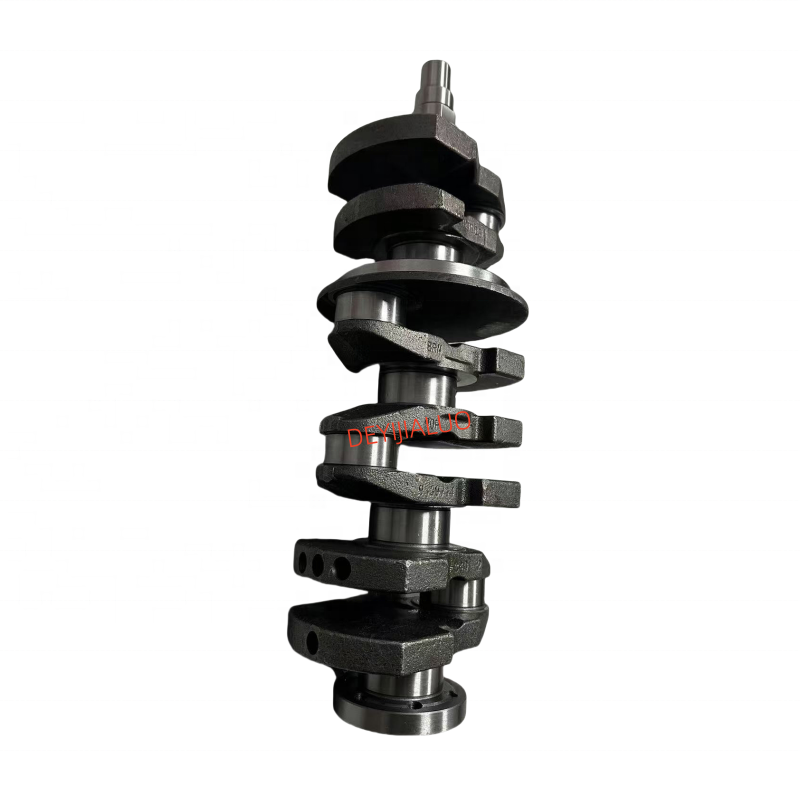
Crankshaft balancing refers to the process of adjusting the mass distribution of a crankshaft to eliminate vibration during engine operation. A crankshaft is a critical component that converts the linear motion of the pistons into rotational motion, allowing the engine to produce power. When the crankshaft is not properly balanced, it can lead to excessive vibrations that degrade engine performance and reduce its lifespan.
The Role of the Crankshaft in Engine Functionality
Before understanding the balancing process, it's essential to appreciate the role the crankshaft plays in engine functionality. The crankshaft is connected to the pistons through connecting rods. As the pistons move up and down, they turn the crankshaft, which in turn powers the vehicle. A well-balanced crankshaft ensures smooth operation and optimal performance.
3. How Crankshaft Balancing Works
The concept of crankshaft balancing is rooted in physics and engineering principles. A crankshaft is inherently unbalanced due to the irregular weight distribution caused by its design. Balancing involves redistributing weight so that the crankshaft rotates evenly.
The Basic Principles of Dynamic Balancing
Dynamic balancing involves measuring the forces acting on the crankshaft while it spins. This measurement allows engineers to identify unbalanced weights and make adjustments accordingly. The balancing process can be conducted either statically or dynamically, with the latter being more effective in modern automotive engineering.
4. The Significance of Crankshaft Balancing in Engine Performance
Crankshaft balancing is paramount for several reasons, primarily concerning engine performance and longevity.
Enhancing Engine Efficiency
A balanced crankshaft allows for smoother rotation, which translates to better fuel efficiency. When the crankshaft operates efficiently, the engine requires less energy to maintain speed, resulting in reduced fuel consumption. This efficiency is especially critical in high-performance or racing applications, where every bit of power counts.
Reducing Wear and Tear
Unbalanced crankshafts can lead to increased wear on engine components. Vibration causes additional stress on bearings, seals, and other critical engine parts, leading to premature failure. Properly balancing the crankshaft minimizes these stresses, ensuring a longer lifespan for the engine.
Improving Overall Performance
Balanced engines deliver superior performance. Reduced vibration allows for smoother operation, which translates to better acceleration and power delivery. Whether in daily driving or competitive racing, a well-balanced crankshaft enhances overall engine responsiveness.
5. Effects of an Unbalanced Crankshaft
The consequences of an unbalanced crankshaft are far-reaching and detrimental to engine performance.
Excessive Vibrations
One of the most noticeable effects of an unbalanced crankshaft is excessive vibrations. These vibrations can manifest in various ways, including cabin noise, steering wheel shake, and engine instability. Over time, these vibrations contribute to driver discomfort and can lead to more severe mechanical issues.
Increased Maintenance Costs
As unbalanced crankshafts cause excessive wear on components, they often lead to increased maintenance costs. Parts such as bearings, mounts, and even the crankshaft itself may require frequent replacement, adding to the overall expense of vehicle ownership.
Reduced Power Output
An unbalanced crankshaft can lead to reduced power output as the engine struggles to operate efficiently. This inefficiency means that more energy is wasted in overcoming vibrations rather than being converted into usable power.
6. The Crankshaft Balancing Process Explained
The balancing process can be broken down into several key steps, ensuring thorough and effective balancing of the crankshaft.
Step 1: Initial Inspection
Before any adjustments are made, a comprehensive inspection of the crankshaft is conducted. This step involves checking for any signs of wear, damage, or irregularities that may impact balancing.
Step 2: Weight Measurement
The next step involves measuring the weights of the crankshaft and its components. Engineers will use specialized equipment to assess the distribution of weight and identify areas that require adjustment.
Step 3: Adjustment and Testing
After identifying unbalanced areas, adjustments are made. This may involve adding or removing weight from certain sections of the crankshaft. Once adjustments are complete, the crankshaft undergoes dynamic testing to ensure that it meets balance specifications.
Step 4: Finalizing Balancing
Once testing confirms that the crankshaft is balanced, it is ready for installation. A well-balanced crankshaft significantly enhances engine performance and contributes to overall vehicle reliability.
7. Tools and Techniques for Crankshaft Balancing
Various tools and techniques are utilized in the crankshaft balancing process, each playing a critical role in achieving precision.
Balancing Machines
Balancing machines are specialized pieces of equipment designed to measure and adjust the balance of rotating parts. These machines provide real-time data on weight distribution and help engineers make necessary adjustments with accuracy.
Weight Adjustment Techniques
To achieve balance, engineers employ various weight adjustment techniques, such as drilling holes in specific locations to remove weight or adding balancing weights to compensate for imbalances. These methods are tailored to the specific needs of each crankshaft.
8. Common Myths About Crankshaft Balancing
Despite its importance, several myths about crankshaft balancing persist within the automotive community.
Myth 1: Crankshaft Balancing Is Only for High-Performance Engines
While high-performance engines benefit significantly from crankshaft balancing, all engines can achieve improved efficiency and longevity through proper balancing. Even standard vehicles reap advantages from this process.
Myth 2: Balancing Is Only Necessary After Major Repairs
Some believe that balancing is only needed after significant repairs or rebuilds. In reality, regular balancing checks can prevent issues from developing over time and maintain optimal performance.
Myth 3: All Crankshafts Are Naturally Balanced
Not all crankshafts come from the manufacturer perfectly balanced. Variances in manufacturing can lead to imbalances. Therefore, it's always prudent to verify and balance crankshafts when building or rebuilding engines.
9. Frequently Asked Questions
What are the signs of an unbalanced crankshaft?
Symptoms include excessive vibrations, unusual noises, and noticeable shaking of the vehicle, especially at higher speeds.
How often should I have my crankshaft balanced?
It's advisable to have your crankshaft balanced during engine rebuilds or major repairs, but regular checks can also help maintain performance.
Can I balance a crankshaft myself?
While DIY balancing is possible for experienced individuals, it requires specialized tools and knowledge. Professional balancing is recommended for optimal results.
What is the cost of crankshaft balancing?
Costs can vary based on the complexity of the engine and the condition of the crankshaft, but expect to pay anywhere from $100 to $300 for professional services.
Does crankshaft balancing improve fuel efficiency?
Yes, a well-balanced crankshaft reduces vibration, leading to improved engine efficiency and better fuel economy.
10. Conclusion
Crankshaft balancing is a vital process that enhances engine efficiency, improves performance, and extends the lifespan of your vehicle. By ensuring a properly balanced crankshaft, automotive enthusiasts and professionals alike can enjoy smoother operation, reduced wear, and significant cost savings over time. Understanding this critical aspect of engine dynamics empowers individuals to appreciate the intricacies of automotive engineering, ultimately leading to better vehicle maintenance and performance. Prioritizing crankshaft balancing is an investment in efficiency and longevity, paving the way for a more reliable and enjoyable driving experience.
Hot Tags:
Contact Us
E-mail:
1534064519@qq.com
Phone/WhatsApp:
08613910643826
Address:Warehouse 9, North Yard, No. 78, Xiushui Street, Langfang, Hebei, China
Contact Us


REQUEST QUOTE
If you are interested in our products, please contact us