Warehouse 9, North Yard, No. 78, Xiushui Street, Langfang, Hebei, China
Essential Insights on Oil Pumps for Industrial Applications
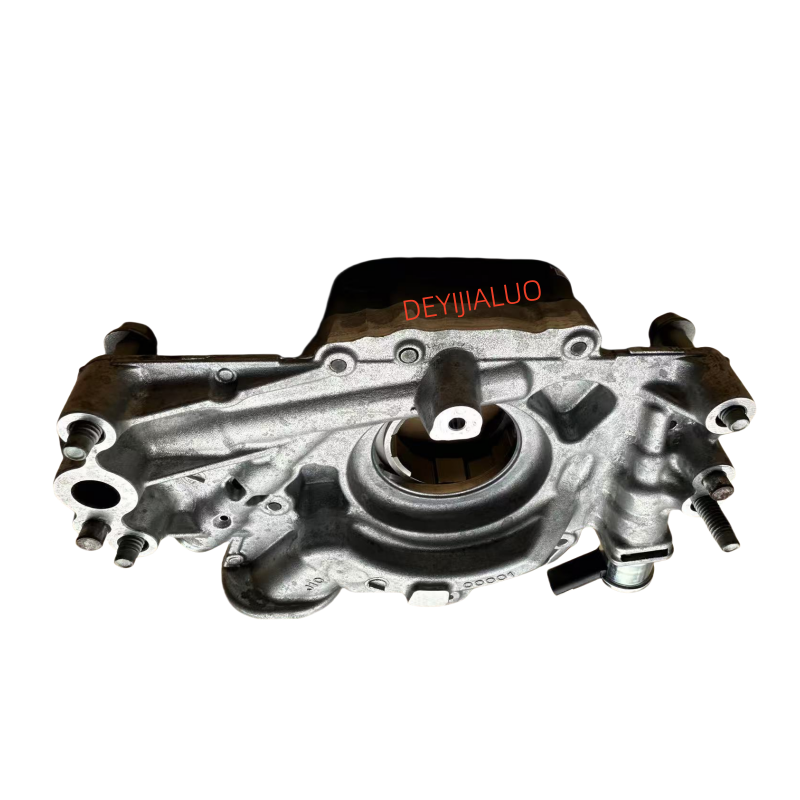
Oil pumps are vital components in various industrial applications, particularly in the machinery that relies on lubricating oil to function efficiently. These pumps play a crucial role in maintaining the health of engines, gear systems, and hydraulic systems by ensuring a consistent supply of oil. Understanding the types of oil pumps available and their respective applications can help professiona
Sep 15,2025
There are several types of oil pumps, each designed for specific applications. The most common types include gear pumps, vane pumps, and diaphragm pumps. Gear pumps are typically used in high-pressure scenarios where a steady flow of oil is required. They are known for their durability and ability to handle viscous fluids. Vane pumps, on the other hand, provide a more versatile solution for varying flow rates and pressures, making them suitable for a broad range of applications. Diaphragm pumps are often used in situations where contamination must be avoided, as they create a seal that prevents fluid from leaking. Selecting the appropriate type of oil pump based on the specific requirements of your operation can significantly impact efficiency.
Proper maintenance of oil pumps is essential to ensure their optimal performance and longevity. Regular inspection of the pump's components, such as filters and seals, can prevent common issues like leaks and blockages. It's also crucial to monitor the oil quality, as contaminants can lead to wear and tear on the pump. Implementing a routine maintenance schedule can help identify potential problems before they escalate, thus reducing unexpected downtime.
Another important consideration is the installation of the oil pump. Ensuring that the pump is correctly installed at the right angle and elevation can influence its efficiency. Additionally, proper alignment with motor drives is necessary to prevent mechanical wear. Training staff on the best installation practices can yield long-term benefits for industrial operations.
In summary, oil pumps are integral to the performance of industrial equipment, and understanding their functionality, types, and maintenance requirements can lead to enhanced operational efficiency. By prioritizing the right oil pump for your application and maintaining it diligently, professionals can significantly improve machinery performance and extend the lifespan of their equipment. This knowledge is essential for anyone working in the industrial equipment sector, as it empowers them to make informed decisions that lead to better outcomes.
Hot Tags:
PREVIOUS:
Contact Us
E-mail:
1534064519@qq.com
Phone/WhatsApp:
08613910643826
Address:Warehouse 9, North Yard, No. 78, Xiushui Street, Langfang, Hebei, China
Contact Us


REQUEST QUOTE
If you are interested in our products, please contact us